

Designed for everyone in the game: athletes, families, agents, and the people who power the world of sports.
September 2026
welcome to the huddle
September is when the season stops being a preview. Three weeks in, depth charts are real, the first conference games are in the books, and the athletes we work with are finding out what this year is going to look like.
It was a big month for SteelPeak Sports too. We welcomed two new athletes, one from Duke and one from Stanford, and on September 19 those two programs met in Durham. We were there with the families. Meanwhile in Washington, the biggest piece of college sports legislation in years moved closer to a final vote. Plenty to cover. Let's get into it.
two new signings
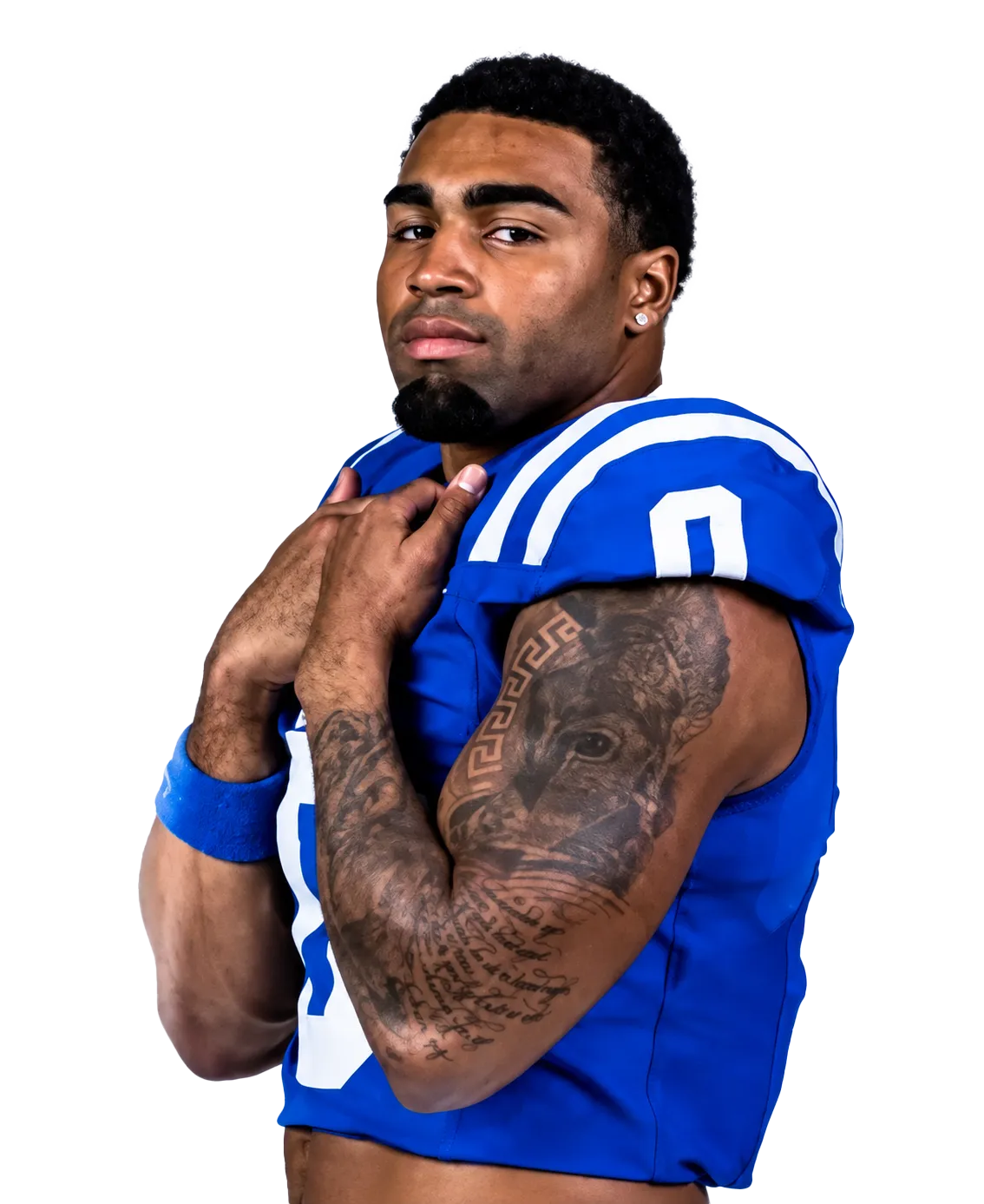
CJ Campbell Jr., Duke. CJ arrived at Florida State in 2021 with no recruiting rating and spent his first year on the scout team, where he was named the program's Offense Scout Team Player of the Year. Stops at Florida Atlantic, where he earned Third Team All-AAC honors, and Rutgers followed. Now he is a graduate transfer at Duke, in his sixth season at his fourth program, wearing No. 0 and working toward a Master of Management Studies at Fuqua. Across his career: 1,144 rushing yards and 14 touchdowns, plus 41 catches for 469 yards.
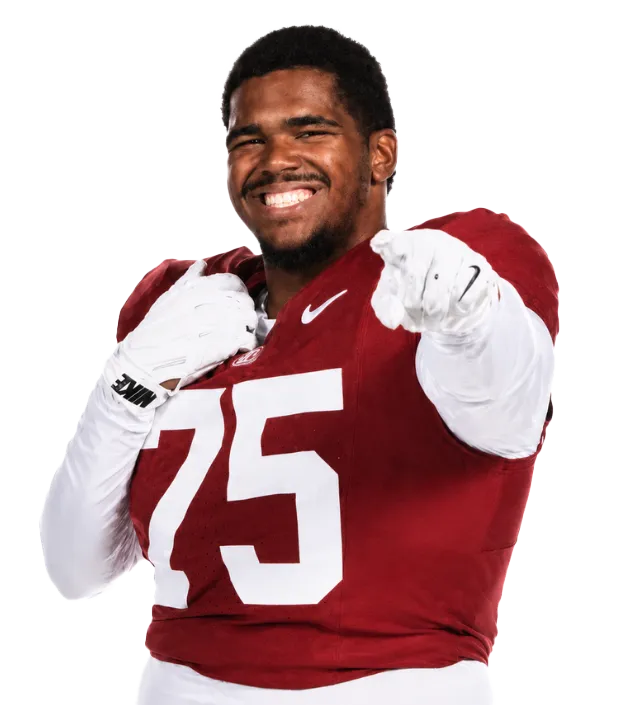
Braden Marceau-Olayinka, Stanford. A three-sport standout from Melrose, Massachusetts, and a state wrestling champion, Braden committed to Columbia before flipping to Stanford in January 2023. He has built his role one snap at a time: one game as a freshman, all 12 in 2024, all 12 again in 2025 with three starts. At 6-foot-3 and 310 pounds, he enters his fourth season as a veteran on the Cardinal front. Off the field he is a psychology major, a 2025 ACC All-Academic pick, and one of 162 nominees nationwide for the Allstate AFCA Good Works Team.
What we're watching: Duke hosts William & Mary on September 26, and Stanford hosts Georgia Tech the same night.
start the clock early
The single biggest advantage a young athlete has with money is not the size of the deal. It is time.
A Roth IRA is the simplest way to put that advantage to work. You put in money you have already paid tax on. It grows, and if you follow the rules, it comes out tax-free in retirement. The growth is never taxed. For someone in their early twenties, that is decades of compounding the IRS never touches.
You need earned income. NIL income counts, and so do wages from a job. For 2026, you can contribute up to $7,500 or your earned income for the year, whichever is lower. Earn $3,000 from a deal, and you can put in up to $3,000.
Your contributions stay reachable. The money you put in, not the growth, can generally be withdrawn at any time without tax or penalty. That makes a Roth more flexible than most people assume for someone whose income may swing year to year.
The deadline is later than you think. Contributions for 2026 can be made until the tax filing deadline in April 2027. There is still time to act on this year's income.
One caution: set aside what you owe in taxes first. A Roth is where money goes to grow, not a substitute for the estimated payments we covered last month.
Key Takeaways
- Roth growth is tax-free when the rules are followed.
- NIL income counts as earned income for contributions.
- The 2026 limit is $7,500 or your earned income, whichever is lower.
- Contributions, not earnings, can generally come out anytime.
- You have until the April 2027 filing deadline for 2026.
the family meeting
Five questions every athlete and family should answer together before the season gets busy.
- Who sees the money first? Know which account deals pay into and who has access to it.
- What gets set aside for taxes? Pick a percentage and move it the day a payment lands.
- Who reviews contracts? Decide before an offer arrives, not after it has a deadline.
- What is the family's role? Support, advice, or decisions. Everyone should know which.
- What happens after the sport? One line on paper about life after the last game is better than none.
NIL watch
The federal bill is moving. On September 15 the Senate voted 74-24 to begin consideration of the Protect College Sports Act, clearing the 60 votes it needed, and a second procedural vote followed later that week. The bill would set national rules for NIL, transfers, and a five-year eligibility window, give the NCAA a limited antitrust exemption, and add a $22.5 million retention fund on top of the revenue-share cap. A final Senate vote could come soon. The House is not expected to take it up before November, and it has repeatedly failed to pass its own version.
NIL Go set a record. The College Sports Commission reported that from July 1 through August 31, it cleared 7,639 deals worth $227.25 million, the largest two-month total since the platform launched. Another 484 deals worth $67.08 million were not cleared. That is roughly one in five dollars submitted.
Why it matters to you: third-party deals of $600 or more still need to be reported through NIL Go, and the review is real. A deal that looks generous on paper is worth nothing if it does not clear.
the owner's box
Last month we talked about why franchises behave differently from most assets. This month, one number that shows it: the price of a new seat at the table.
When the WNBA added Golden State in 2023, the expansion fee was $50 million. In 2025 the league awarded teams to Cleveland, Detroit, and Philadelphia at $250 million each. Same league, same basic product, five times the price in about two years.
Expansion fees matter because they are one of the few moments a league puts a public price on a franchise. Existing owners are effectively agreeing on what a spot is worth. Our sports-themed strategy includes a position in Cleveland's 2028 expansion team, alongside NFL, NBA, MLB, and NWSL holdings, sports technology, real estate, and media.
new school, new tax code
Transferring is now a normal part of a college career. Four programs in six seasons is no longer unusual. What almost nobody plans for is that every move can come with a different state tax system.
Residency drives most of it. Your home state generally taxes your income wherever you earn it. Move your residency, and the rules change with you. Florida has no state income tax. New Jersey and North Carolina do.
Where the work happens matters too. An appearance or event in another state can create a filing requirement there. Many states give a credit for tax paid elsewhere, but you usually have to claim it.
It follows you to the pros. Professional athletes file in most states where they play a road game, the so-called jock tax. The athletes who handle it cleanly are the ones who start tracking where they earn early.
The lesson: before a transfer, ask one question alongside all the others: what does this move do to my taxes?
the stat sheet
off the field
On September 19 we hosted the families of our athletes in a suite at Wallace Wade Stadium for Duke vs. Stanford.
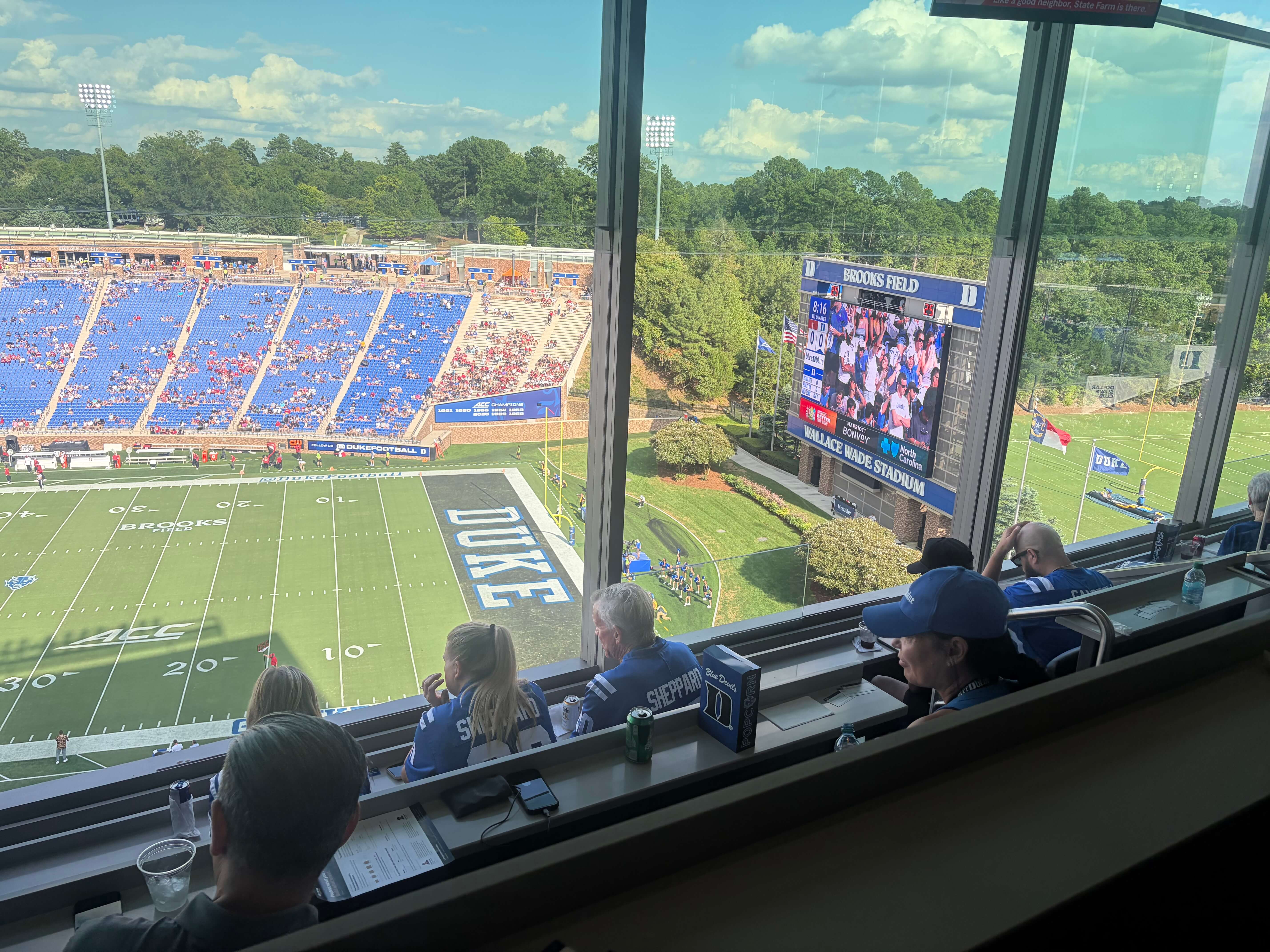
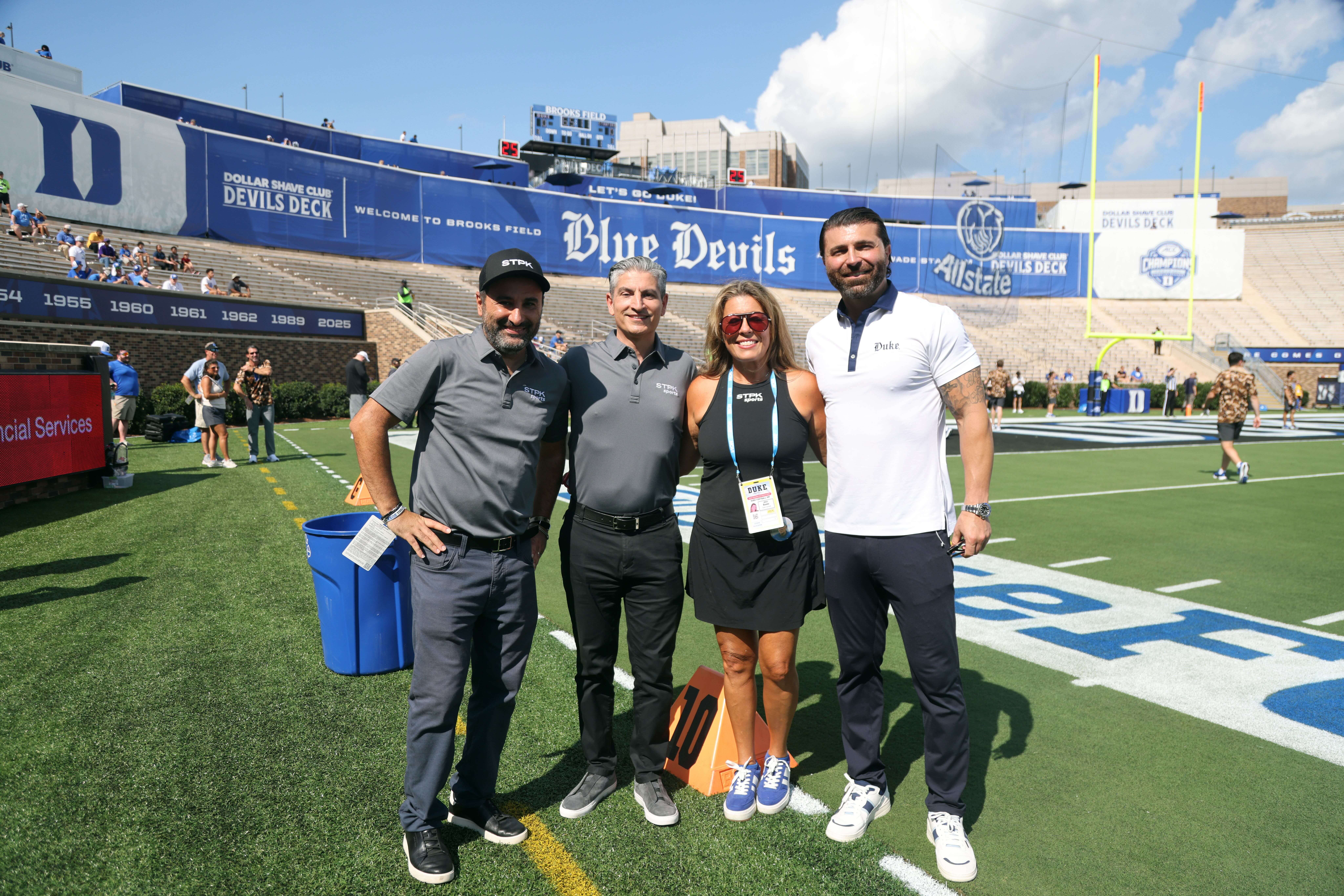

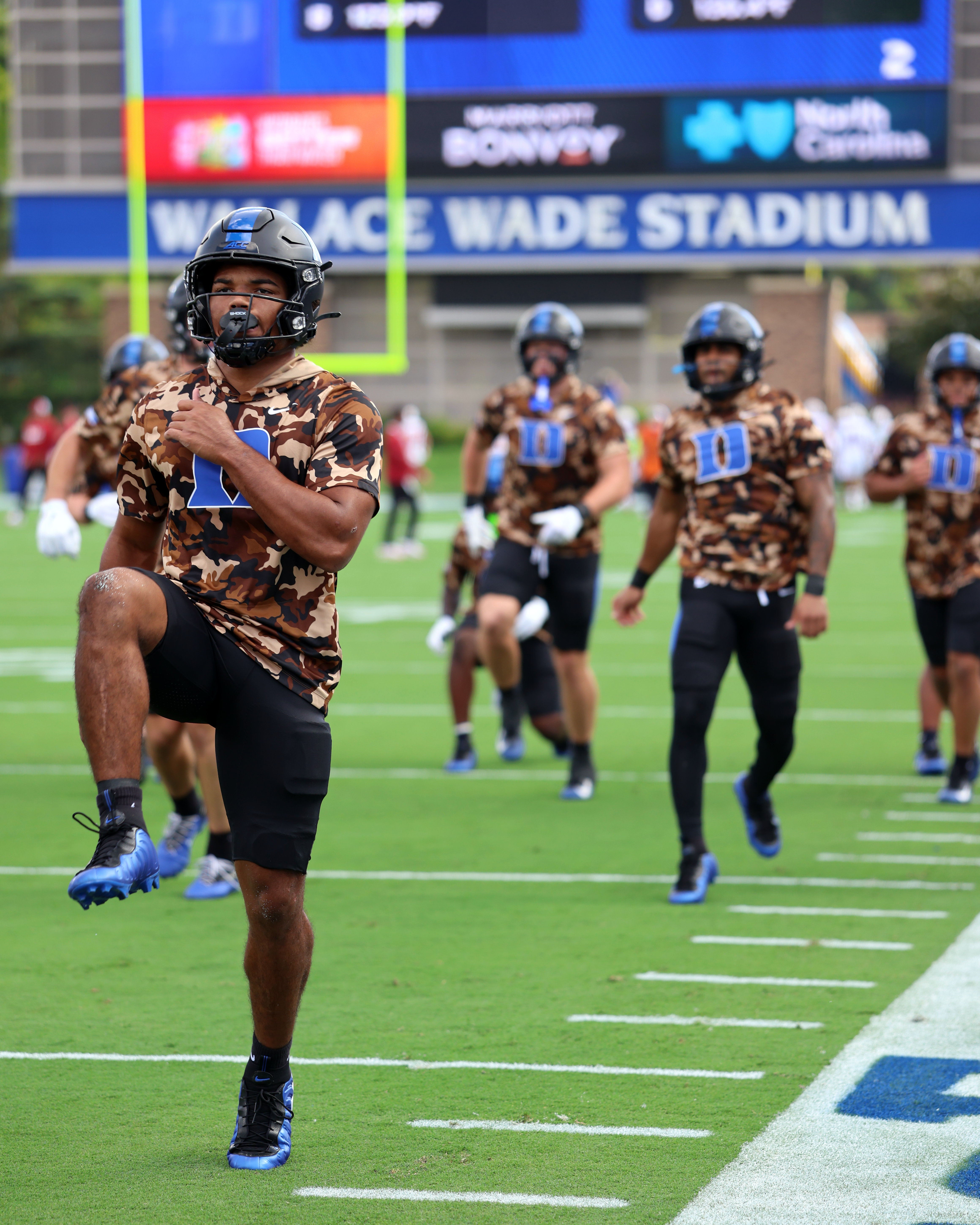
It was a rare kind of game for us: athletes we work with on both sidelines. Sheppard jerseys lined the front row of the suite, and the families had plenty to cheer about. Nate Sheppard ran for 154 yards and scored three times as Duke won 35-7 to open ACC play and move to 3-0.
The score was the least important part of the day. Parents are in the middle of every decision their kids make now, often years before a pro contract. Spending an afternoon together, putting faces to names, and talking about what comes next is how we like to work with families. Thank you to everyone who joined us.
the feed
The best of the SteelPeak Sports feed this month. Tap in:
Game day in the suite. A look inside our afternoon in Durham with client families, from the view over Brooks Field to the gift bags waiting at the door. Watch the reel
Welcome to the family. Our signing announcements for CJ and Braden are live, along with the rest of our fall content. Follow @steelpeaksports
upcoming
- Late September: Possible final Senate vote on the Protect College Sports Act
- October 15: Filing deadline for 2025 returns on extension
- November: The House returns, with the college sports bill waiting
the fine print
A signing bonus is taxed like a bonus, not like a paycheck. Federal withholding on supplemental wages is a flat 22 percent, and 37 percent on the portion over $1 million. Withholding is only an estimate, though. If your actual rate ends up higher, the difference is due when you file.
The takeaway: CJ did not get a star rating out of high school. He got a scout team jersey and went to work. Money works the same way. You cannot control the size of your first deal. You can control what you do with it.
Every dollar an athlete invests at 20 has decades to grow. That is the whole idea behind this month's Money Playbook.
final whistle
That's a wrap on September. If you take one thing from this issue, make it time: the earlier the habits start, the more they are worth. Welcome again to CJ, Braden, and their families, and thank you to everyone who joined us in Durham. Keep competing, keep learning, and keep building something that lasts longer than a season.